
Professional IASTM Tools for

Soft Tissue Mobilization

What is IASTM?

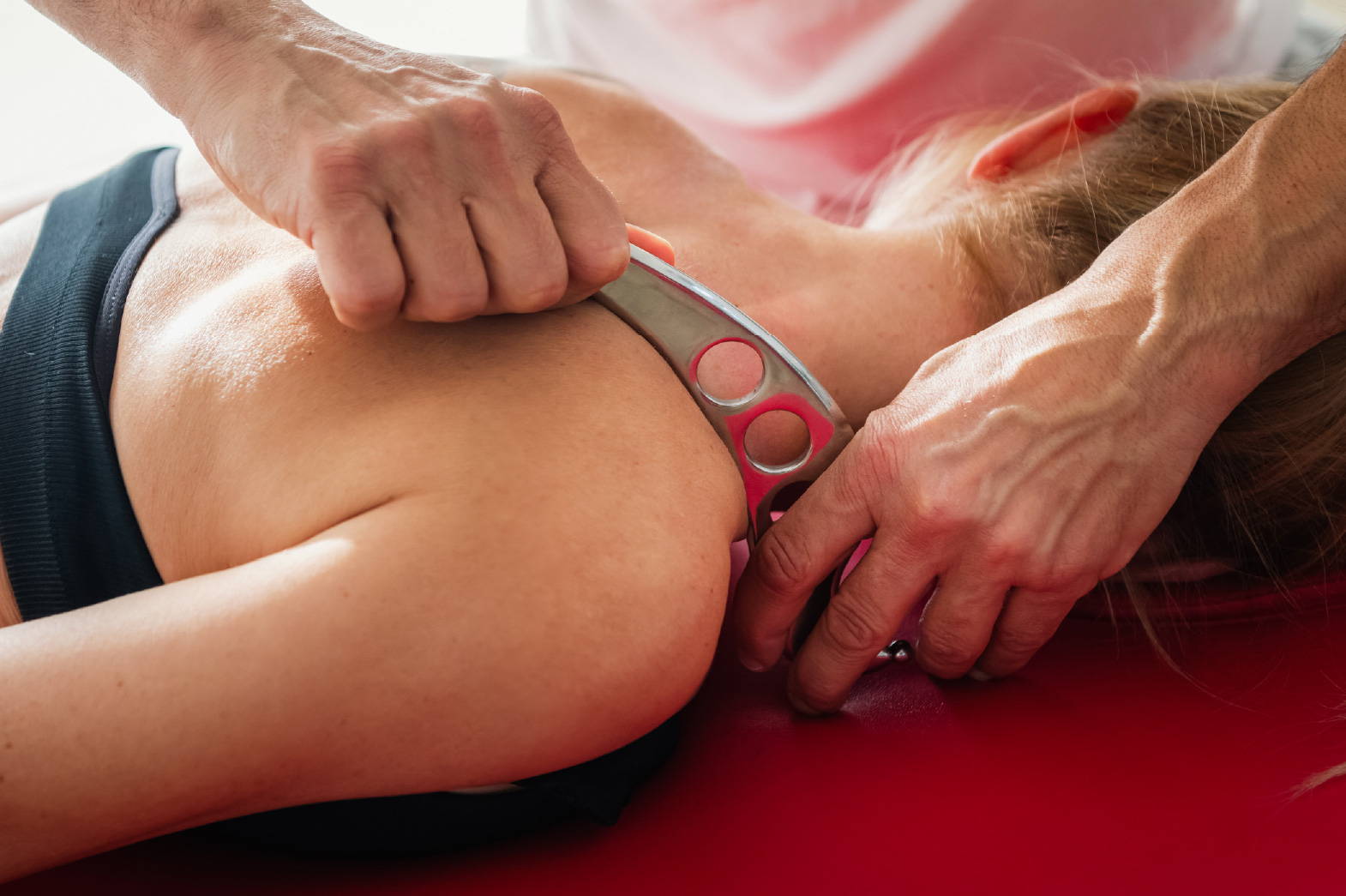
IASTM is short for Instrument Assisted Soft Tissue Mobilization or also known as Gastron Technique. As the name suggests, it’s a technique that focuses on treating tissue dysfunctions by using specialized stainless steel instruments.


Generally, practitioners use the tools to apply rhythmic pressure on the affected areas to loosen the tissues, reduce pain while improving one’s range of motion. 


IASTM vs Gua Sha

While the two practices are similar, IASTM is commonly believed to be a modern version of gua sha, as it was developed much later. Meanwhile, gua sha has existed for thousands of years and is rooted in traditional Chinese medicine. 


However, the biggest difference is the tools, and the shapes. IASTM is almost always made with medical grade stainless-steel. Gua sha on the other hand,  can come from a variety of materials, such as horns, crystals, porcelain, bian stone, etc. 


Read more about gua sha and shapes here.

What are the benefits of IASTM?

1

Reduce and improve chronic pain

2

 Increase range of movement

3

Speed recovery process

Conditions IASTM May Help Address

IASTM is most effective for soft-tissue–related pain and movement limitations, including:

  • Neck and upper back muscle pain
  • Shoulder pain and stiffness
  • Elbow tendinopathies (tennis elbow, golfer’s elbow)
  • Wrist and forearm tendinitis
  • Low back muscle pain
  • Hip and thigh muscle tightness
  • Knee pain related to tendon or soft-tissue irritation
  • Ankle and foot soft-tissue pain
  • Muscle stiffness and reduced flexibility

IASTM Applications

IASTM may be used as part of treatment for:

  • Tendinopathy / tendinitis
  • Muscle strains
  • Overuse injuries
  • Post-surgical or post-injury soft tissue restrictions
  • Scar tissue sensitivity
  • Myofascial pain

Our Collection

At Lierre, we offer a wide range of IASTM tools crafted from AISI 304 surgical-grade stainless steel, known for its durability and smooth finish.

We also carry the ACU‑316 collection, which is officially approved and recognized by the Association of Acupuncture of Quebec

Our Professional IASTM Kits

Popular IASTM shapes

What makes ACU-316 different?

 Unlike standard IASTM tools, these instruments are made from 316L medical-grade stainless steel, offering superior corrosion resistance thanks to its specific composition of Cr, Ni, Mn, and other components. This makes them perfectly resistant to chlorine and allows for complete disinfection, even with bleach. To read more about Acu 316, click here

The Acu-316 Collection

Frequently asked questions

Who can use IASTM tools, professionals only or beginners too?

IASTM tools are commonly used by physiotherapists, massage therapists, chiropractors, and other healthcare professionals. If you’re new to IASTM, we recommend starting with a training course to ensure safe and effective use.


At Lierre, we partner with Institute Axis, which offers IASTM training courses. To learn more about their courses,click here.

What’s the difference between standard IASTM tools and ACU‑316 kits?

Standard IASTM tools are typically made from AISI 304L surgical stainless steel, a high-quality material that offers good durability and corrosion resistance for manual therapy use.


ACU-316 kits, however, are crafted from 316L medical-grade stainless steel, which contains additional elements such as molybdenum. This gives the tools enhanced resistance to corrosion, particularly against chlorine and strong disinfectants. As a result, ACU-316 tools can be fully disinfected, even with bleach, without compromising the metal, making them especially suitable for frequent sterilization in professional and clinical settings.

Can IASTM be combined with other therapies like cupping or massage?

Yes. IASTM is often combined with other manual therapies, such as massage, cupping, stretching, or exercise-based treatments. These approaches can complement one another by addressing soft tissue restrictions, improving mobility, and supporting overall recovery.


When combining therapies, it’s important to adjust intensity and sequencing appropriately and to consider the client’s condition and tolerance. Proper training and clinical judgment are recommended to ensure treatments are applied safely and effectively.